"International Diplomacy Efforts to Resolve Border Disputes"
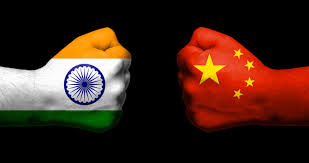
In recent months, international diplomacy has taken center stage as nations work tirelessly to resolve longstanding border disputes that have been a source of tension and conflict for decades. These diplomatic efforts, which involve a delicate balance of negotiation, compromise, and international cooperation, are seen as crucial to maintaining regional stability and fostering peaceful relations between countries.
At the heart of these disputes are conflicting territorial claims, where multiple countries assert control over the same land or maritime areas. These disputes often stem from historical, cultural, and political factors, with competing national interests at stake. While some of these conflicts have led to military clashes or armed standoffs, many nations are now prioritizing diplomacy as the preferred means of resolution.
International organizations, such as the United Nations and regional bodies like the African Union or the European Union, have played an instrumental role in facilitating discussions and promoting peaceful negotiations. These organizations provide a neutral platform for dialogue, allowing all parties to present their positions and work toward mutually acceptable solutions. In many cases, international mediation teams composed of diplomats and legal experts are brought in to guide the negotiations and help de-escalate tensions.
One of the most significant examples of international diplomatic efforts to resolve border disputes has been the ongoing talks between two neighboring countries over their contested land border. After years of military confrontations and political brinkmanship, the two nations have agreed to engage in direct dialogue, with the assistance of international mediators. Through a series of meetings and confidence-building measures, both sides have gradually moved toward finding common ground. The talks have focused on issues such as demarcation of borders, resource-sharing agreements, and the protection of minority populations living in disputed regions.
Additionally, maritime border disputes have become an area of growing concern, particularly in regions rich in natural resources such as oil and gas. Countries with competing claims over waters and seabed territories are now engaging in multilateral negotiations, seeking to establish clear boundaries that can help avoid conflict and foster economic cooperation. In some cases, agreements have been reached to jointly manage these resources, ensuring equitable access and mutual benefit.
Despite the challenges, these diplomatic efforts have brought hope to many who have long feared the outbreak of war over territorial disputes. While progress has been slow and there have been setbacks along the way, the commitment to diplomacy reflects a growing recognition that peaceful resolutions are the key to fostering long-term stability and cooperation in an increasingly interconnected world. As these negotiations continue, the role of international diplomacy remains more crucial than ever in shaping the future of border relations.