"Opposition Parties Unite Against Recent Government Measures"
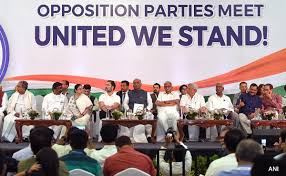
In a dramatic turn of events, opposition parties have come together to form a united front against a series of recent government measures that they claim undermine democratic values and harm the nation's economic stability. The opposition's coalition, comprising several political parties with divergent ideologies, has banded together in an effort to challenge what they see as a government overreach that risks compromising civil liberties, eroding public trust, and exacerbating existing societal inequalities.
The government, which has been facing mounting criticism over its handling of key issues such as healthcare, taxation, and national security, recently passed a set of controversial measures aimed at increasing surveillance, tightening immigration policies, and implementing sweeping economic reforms. While the government argues that these measures are necessary to protect national security and ensure the country’s economic growth, the opposition parties view them as authoritarian and detrimental to the well-being of ordinary citizens.
One of the most contentious elements of the new policies is a proposed expansion of state surveillance powers. The government has argued that this is essential for combating terrorism and cyber threats, but opposition leaders have raised alarms about the potential erosion of privacy rights. They argue that the government's move to monitor communications and collect personal data could lead to an abuse of power and could disproportionately impact vulnerable communities. Critics also contend that these measures could create an atmosphere of fear and distrust, where citizens feel their every move is being watched.
In addition to the surveillance measures, the opposition has also united in their opposition to the government’s economic reforms, particularly those that impact social safety nets and public services. The ruling party has proposed cuts to healthcare and education funding, arguing that such austerity measures are necessary to balance the national budget and reduce the deficit. However, the opposition has strongly criticized these cuts, warning that they will disproportionately affect low-income families and vulnerable populations. They argue that these measures would lead to reduced access to essential services, increased inequality, and a weakened social safety net.
The opposition coalition has also expressed concerns about the government's approach to immigration, with some of the new policies being perceived as overly restrictive and discriminatory. The coalition argues that these policies undermine the nation’s commitment to inclusivity and diversity, as well as its reputation on the international stage.
As the debate over these government measures intensifies, opposition parties are planning rallies, petitions, and public awareness campaigns to rally public support for their cause. They have called on the government to reconsider its policies and engage in a more open dialogue with all stakeholders to ensure that future decisions prioritize the needs of the nation’s citizens and uphold democratic principles. The political landscape is becoming increasingly polarized, and the success of the opposition’s united front could shape the upcoming elections and determine the future course of the country.