"Government Proposes New Tax Reforms in Latest Budget"
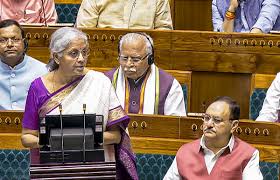
In the latest national budget announcement, the government has unveiled a series of new tax reforms aimed at streamlining the taxation system and promoting economic growth. These changes, which have garnered considerable attention from both business leaders and citizens, are designed to address key economic challenges such as income inequality, corporate taxation, and the need for more sustainable government revenue sources.
One of the most significant proposals in the new budget is a restructuring of personal income tax brackets. The government has introduced a progressive tax system that lowers the tax burden on middle and lower-income earners while increasing the tax rates for the wealthiest individuals. This move is intended to reduce the income inequality gap by ensuring that those who can afford to pay more contribute a fairer share to the national economy. Critics, however, have raised concerns that the higher taxes on the rich may discourage investment and economic activity, potentially leading to a slower pace of growth.
Another major aspect of the proposed tax reforms involves the corporate tax structure. The government has decided to lower the corporate tax rate to encourage investment and job creation. By reducing the financial burden on businesses, the hope is that companies will have more capital to reinvest in expansion and innovation, thus driving economic development. However, some critics argue that this tax cut could lead to budget shortfalls, particularly in sectors that rely heavily on government funding.
Additionally, the government has proposed the introduction of a digital sales tax aimed at capturing revenue from large tech companies that operate in the country. With the rise of e-commerce and digital services, these global corporations have often been able to avoid paying taxes on their profits in the countries where they generate significant revenue. The new tax is seen as a way to level the playing field for local businesses and ensure that multinational companies contribute fairly to the economy.
The proposed budget also includes provisions for simplifying the tax filing process for small businesses and individuals. By moving towards a more digitalized and user-friendly system, the government aims to reduce administrative burdens and increase compliance. Furthermore, new tax incentives have been introduced to support industries critical to the country’s long-term growth, including renewable energy, technology, and healthcare.
While the government's new tax proposals have sparked debate, their success will ultimately depend on how well they are implemented and how effectively they balance the needs of both the economy and citizens. As the budget moves through the legislative process, stakeholders from various sectors will continue to weigh in on its potential impacts.