"Election Campaigns Heat Up Ahead of November Polls"
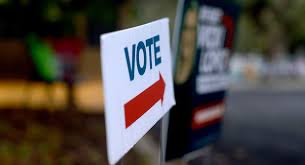
As the November elections draw closer, political campaigns across the nation have intensified, with candidates from all parties ramping up their efforts to secure voter support. The air is thick with political advertisements, rallies, and debates as candidates take to the streets, hoping to convince the electorate that they are the best choice to lead the country through the next phase of its development.
The ruling party, which has held power for the past several years, is focusing its campaign on economic growth and national stability. Party leaders are touting their successes in boosting the economy, creating jobs, and maintaining national security. They have adopted a "progress and prosperity" slogan, aiming to appeal to voters who are satisfied with the current state of affairs. The ruling party’s campaign rhetoric often emphasizes the continuity of leadership, arguing that maintaining the current government is the best way to ensure further growth and stability. However, they are also facing a tough challenge from the opposition, which has been critical of their handling of certain issues, including income inequality and healthcare reform.
In response, the opposition parties are presenting themselves as the agents of change, promising to reverse what they view as the government’s failures and take the country in a new direction. The opposition’s focus is on addressing key issues like healthcare accessibility, social justice, and climate change. They argue that the current administration’s policies have led to widening disparities and that it’s time for a fresh perspective in leadership. Their campaign is characterized by calls for greater government accountability, more social safety nets, and bold environmental policies. The opposition is working hard to build momentum, reaching out to younger voters and marginalized communities, who may feel disconnected from the ruling establishment.
The election season has also seen a rise in voter mobilization efforts. Grassroots organizations, youth groups, and advocacy organizations are actively encouraging voter participation, especially among historically underrepresented groups. Early voting and absentee voting have been promoted as a means to ensure that every eligible citizen has the opportunity to have their voice heard.
As the election date nears, the political atmosphere grows increasingly charged. Debates and town halls have become critical moments for candidates to solidify their positions and address concerns from the public. The increasing polarization of the political climate has made it clear that this election will be a pivotal moment for the nation, with many voters believing that the outcome will shape the future direction of the country for years to come.